Dear reader, may I tell you a secret?
I have always had a slight fear of writing – that what I will have created in words may somehow come true, like a wish or a spell. Call it superstitious, call it unfounded, call it irrational, but this fear of mine was real.
Growing up, I noticed how often we were encouraged to conceptualize our goals, dreams, and fears into words;
We write down our goals, to help us achieve them.
We write down our fears, to help us realize them.
We write down our feelings, to help us navigate them.
We write down our love, to help us share it.
We write down our grief, to help us overcome it.
We write down our dreams, to help us glimpse into our subconscious.
We write down our memories, so we may never forget them.
We write down our thoughts, so we may discover who we are and what we want.
We write down our stories, so that they may never die.
We are told to be careful of “what we wish for” when we speak harshly, and that we will get back in life what we choose to put into it.
Reader, can you fault me for being afraid of writing art and weaving spells?
I believe Margaret Atwood’s “Spelling” illustrates the power of words and the immense importance of writing the truth – the truth of our fears and desires – no matter it’s “ugliness” or refusal to be lovely and quaint.
After all,
A word after a word
after a word is power.At the point where language
Margaret Atwood
falls away from the hot bones, at the point
where the rock breaks open and darkness
flows out of it like blood, at the melting point of granite
when the bones know
they are hollow & the word
splits & doubles & speaks
the truth & the body
itself becomes a mouth.

Please, read the rest of Atwood’s “Spelling.”
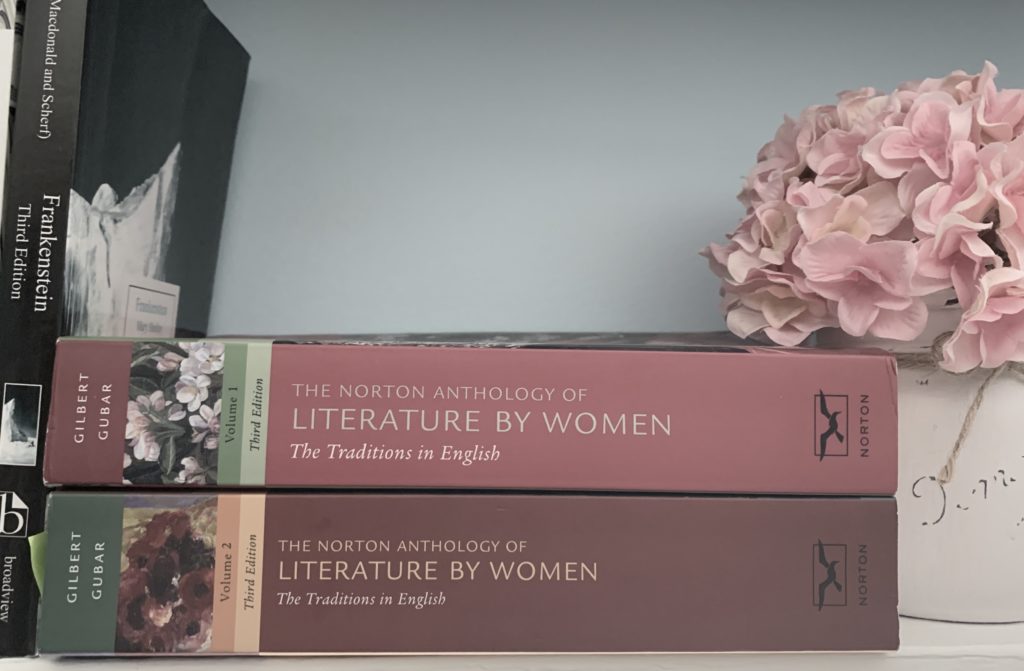
“Spelling,” and many other provoking works are collected in the Literature by Women anthropologies. I do not receive any sort of compensation for recommending the work; the volumes truly contain great writings.
Happy Reading