Hello readers,
This piece is less of a book recommendation and more of a place recommendation.
If you ever have the opportunity to pass through southern British Columbia during your travels, I must recommend you pit-stop at Otter Books.
You can find them on Baker Street (how perfect!) in Nelson, B.C.
What I love about Otter Books is its atmosphere. The small shop is what you imagine in your mind’s eye when you consider a traditional bookstore. Large, corporate bookstores can be great for finding multiple copies of what’s in-trend; still, the large open-floor plans with their designer trinkets, overpriced scarves, and plethora of monogrammed mugs get tiresome, fast.
Otter Books is a cozy, squishy shop that smells of paper and wood. It is a comfortable place that invites you to take your time. The shop is a little run down, which only adds to its charm and authority. Otter Books is truly a testament to its community, with friendly staff, a spotlight on local authors, and a focus on British Columbia’s natural beauty.
Okay, this is where the book-recommendation-part comes in.
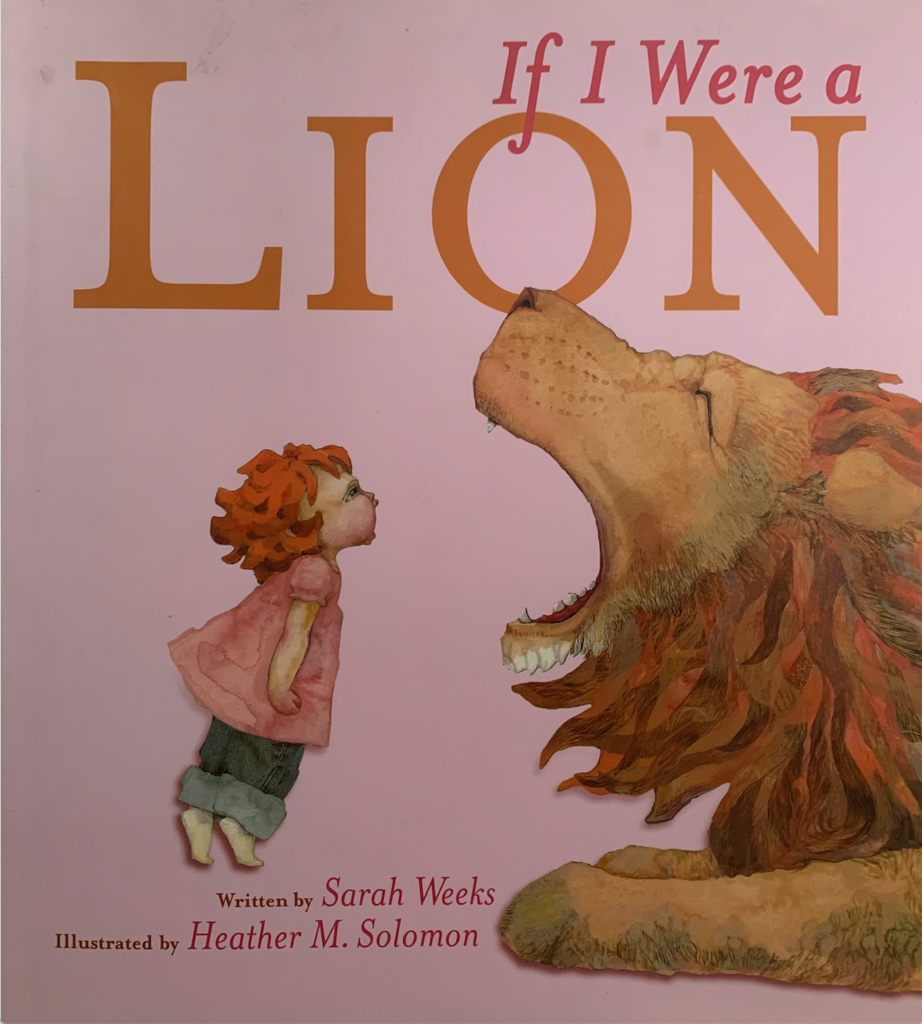
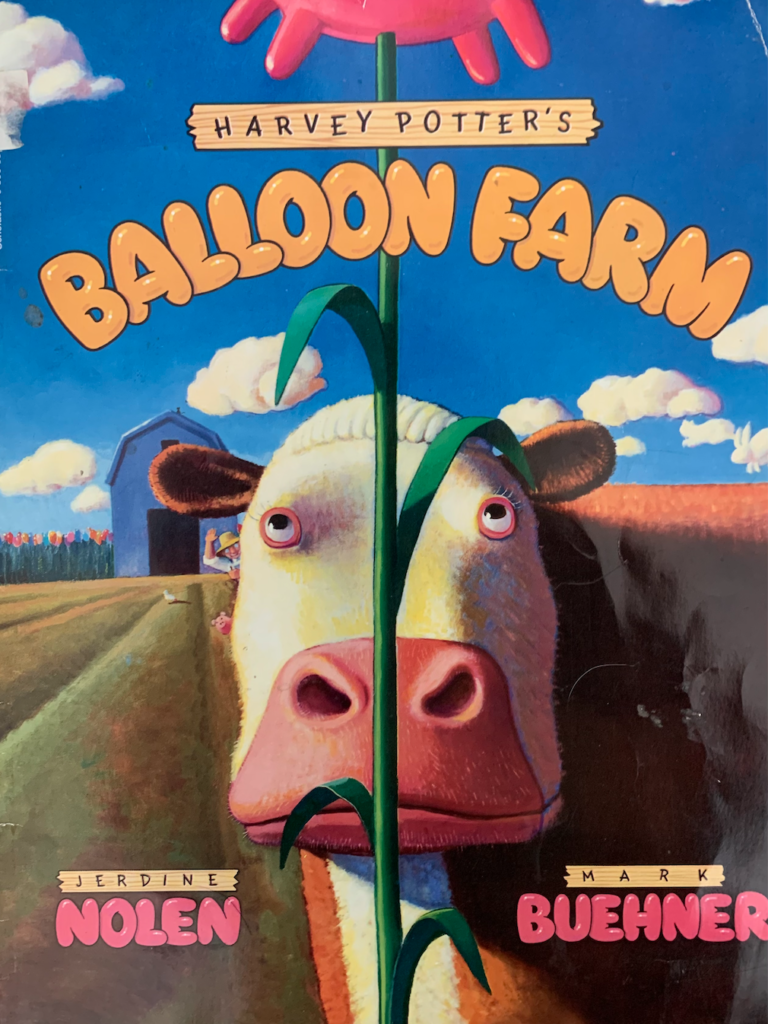
Otter Books is one of the few shops I’ve had the pleasure of visiting that carries a selection of stories specifically dedicated to the beauty of books and the splendour of the natural world. …That’s a little wordy, but just look at some of these texts:
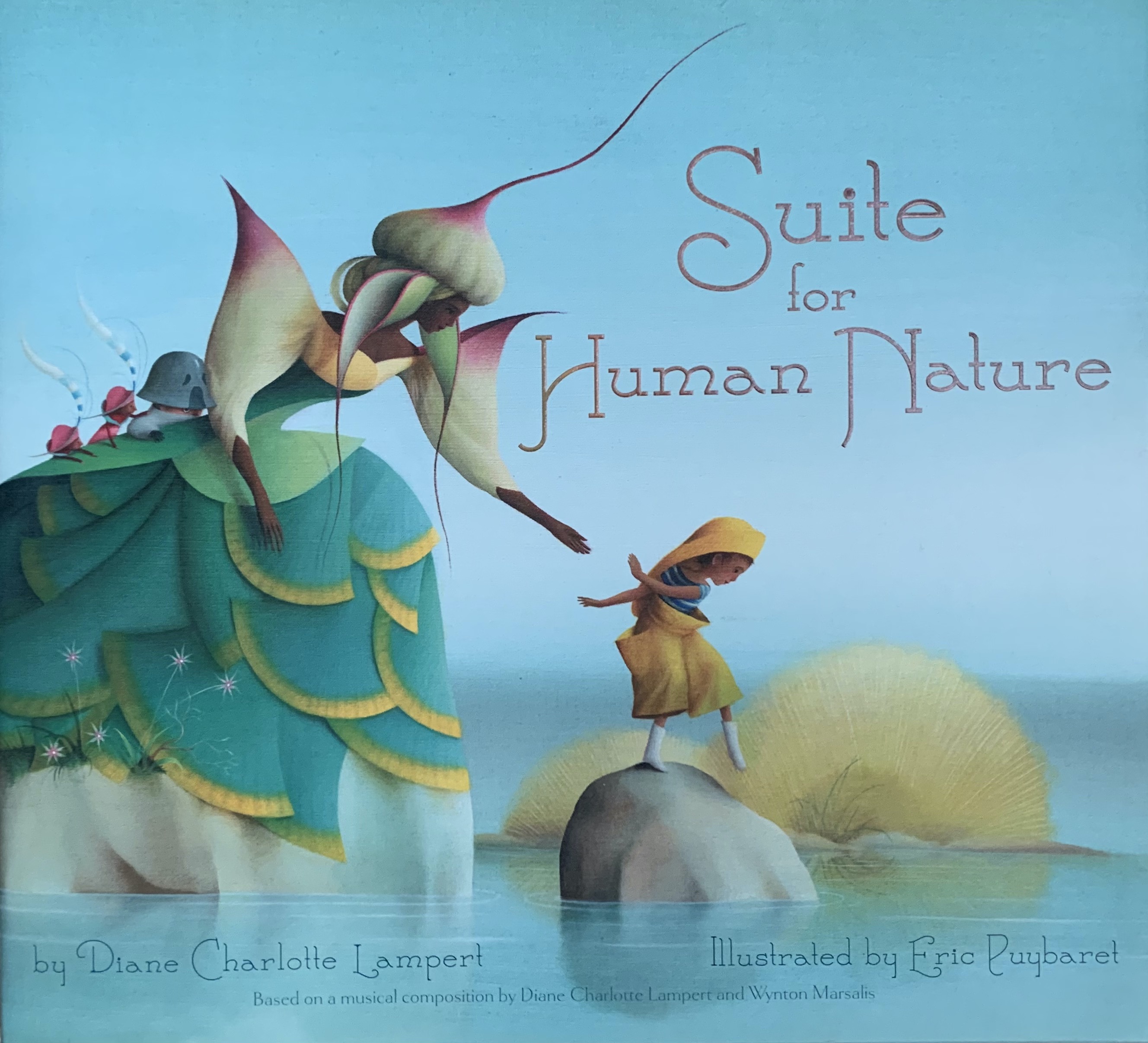
by Diane Charlotte Lampert
illustrated by Eric Puybaret
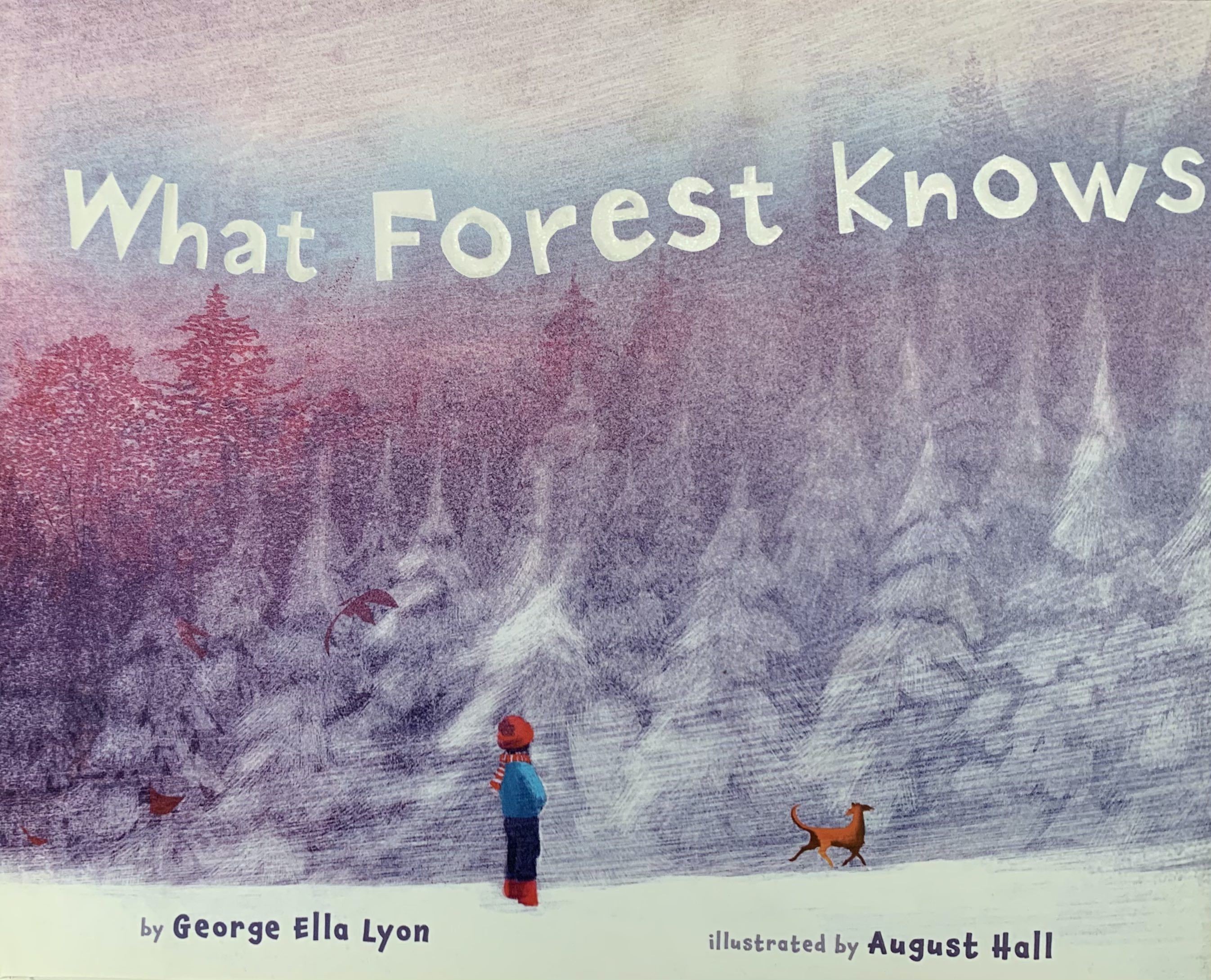
by George Ella Lyon
illustrated by August Hall
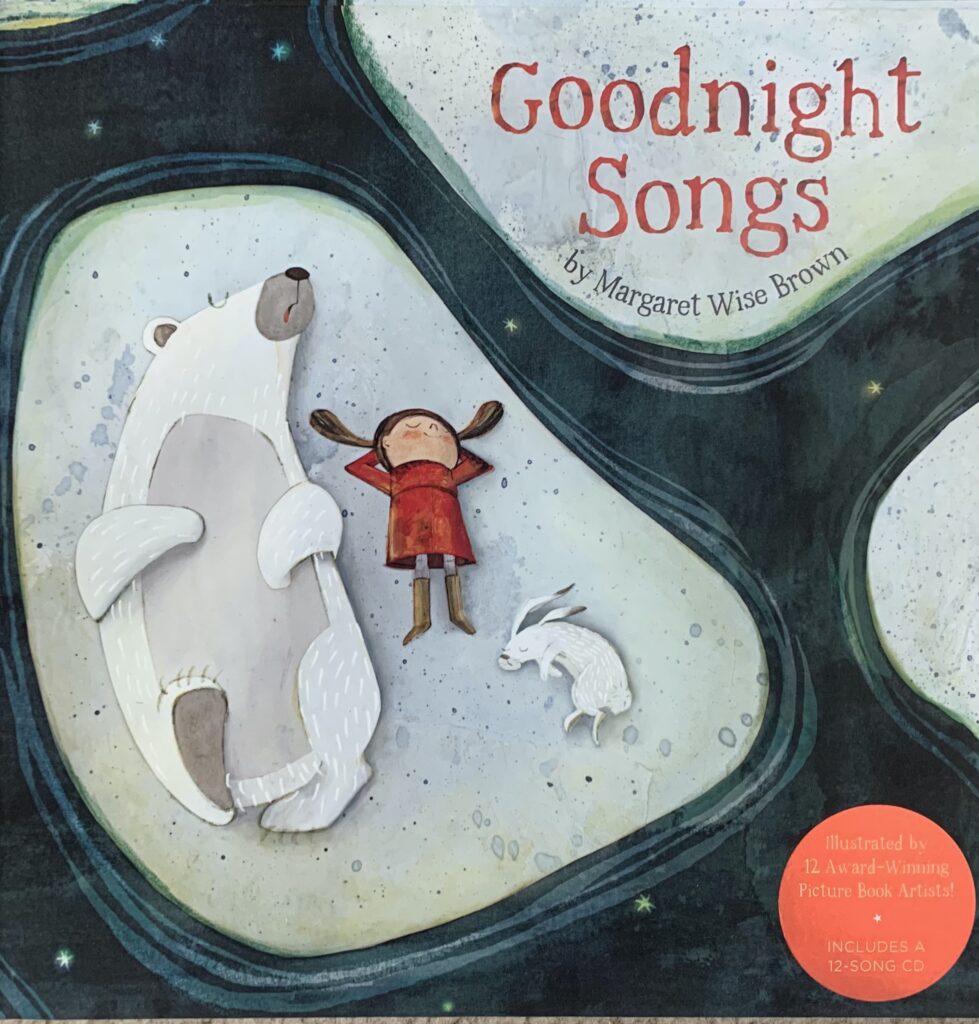
by Margaret Wise Brown
Illustrated by Twelve Award-Winning Picture Book Artists
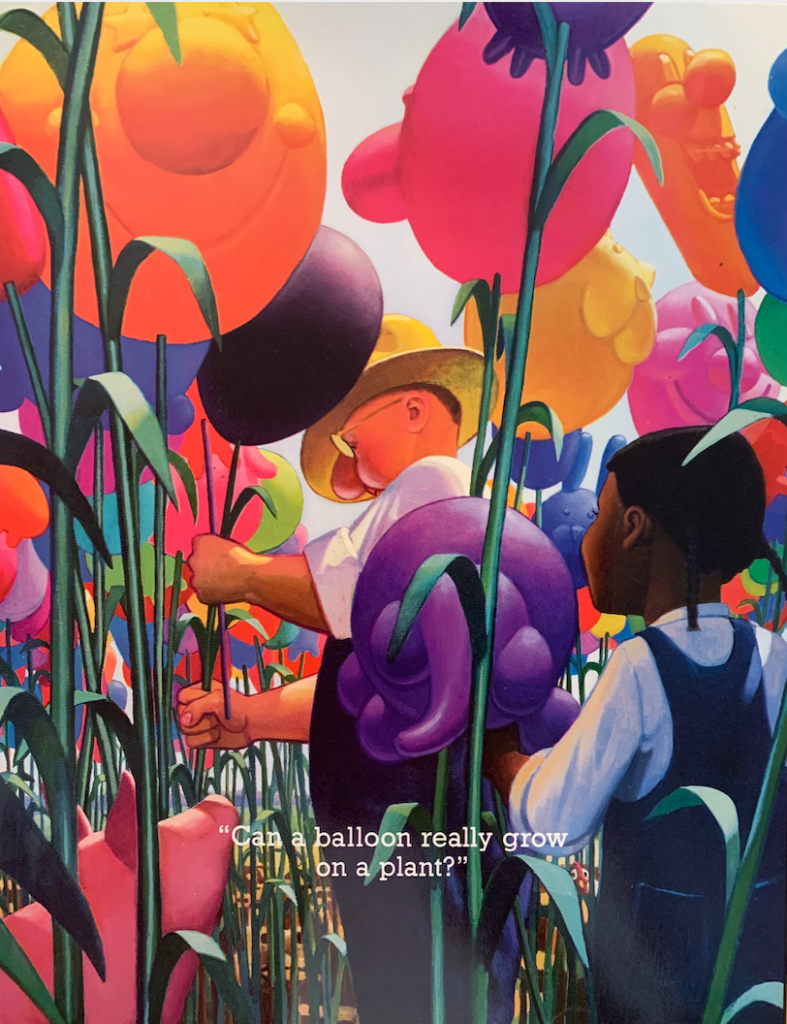
While each is very different in content, these books exhibit processes of the natural world and are full of rich, stunning, full-page illustrations. I make a point of supporting Otter Books whenever I pass through the city (however sporadically that may be), and I always have difficultly deciding which beautiful book to take home!
I’ve had some suggest that Otter’s type and selection of illustrated books seem plentiful just due to the store’s size: being a smaller shop, it’s just easier to find these types of visual media because there is less to sort through. This point, I would argue, makes Otter Books even more appealing!
In any case, I highly recommended checking out the texts above or similar illustrative books which depict the beauty of the natural world. While an illustrated book’s images need to complement the text, the illustrations in these books almost stand-alone, telling a visual story without the need for words. (A true picture-book doesn’t require text.)
“Visual storytelling involves the use of graphics, images, pictures, and videos to engage with viewers in an effort to drive emotions, engage intercommunication, and motivate an audience to action.”
Goodstadt, Eric, & Reeb, Sacha. (2019). Five Very Different Examples of Stellar Visual Storytelling and Why They Are a Step Above the Marketplace. Content Marketing World 2019 Conference & Expo. https://cmworld19.videoshowcase.net/
“The key to a successful wordless picture book is the storytelling quality of its illustrations” (92).
In the illustration, the viewer “looks for rhythm and movement in the pictures, as well as tension in the book’s layout, to add interest” (123). The “hybrid” of text and visual imagery “can be an effective means of encouraging reading in a society that at times seems besotted by electric imagery. The field of picture-book art is dynamic” (123).
Russel, David. Literature for Children: A Short Introduction. 8th ed.,Pearson, 2014.