I wanted to share a video that has resonated with me. You might have seen this clip already, but it’s worth viewing again.
Tip: you need to listen to this video with audio.
.
As the video shows, Marta Cinta Gonzalez Saldana, a professional ballerina in her youth, is carried through time and circumstance by the power of Tchaikovsky’s Swan Lake.
What I find particularly awe-inspiring in this video, is the power and fragility of the human experience, brought to plain light through music’s spell-binding power.
As the music begins to climb, Marta’s arms gracefully start to glide. The trumpets blow, Saldana’s arms rise her chin lifts, her eyes focus hard – we can’t see what Marta is seeing; it’s as if she’s in another place, another time. The movement comes to her without thought; grace, elegance, artistry. Marta becomes one with the melody, and the viewer is left to only watch and wish they could join her.
Seeing Marta’s spirit move fiercely through her frail bones so soon before her death juxtaposes what we know of life and death, strength and weakness, movement and stillness. The beauty of her artistic spirit overshadows Marta’s physical weakness.
Dr. Robert Firestone has stated that “human beings, unlike other species, are cursed with a conscious awareness of their own mortality.”
I think, perhaps, this consciousness is what make’s Marta’s final dance so poignant. The dance explores the complicated relationship between the individual, the spirit, art, and death. The dance suggests the spirit of the individual lives separate from the physical body and is immortalized through art.
Now, reader, I say this all with careful intention. I think I have left ample room within my explanation to allow for the inclusion of your belief systems. I could not say what happens after our physical deaths, but I do know that long after Marta Cinta Gonzalez Saldana has been put to rest, her art and spirit lives on through dance, art, and Swan Lake.
After all, here we are, still moved by Marta and her legacy.

“Music can also be profoundly evocative, have deep resonances, without being familiar, and without calling up specific memories. All of us have had the experience of being transported by the sheer beauty of music—suddenly finding ourselves in tears, not knowing whether they are of joy or sadness, suddenly feeling a sense of the sublime, or a great stillness within. I do not know how to characterize these transcendent emotions, but they can still be evoked, as far as I can judge, even in deeply demented (and sometimes agitated or tormented) patients. Music can bring them, if only for a little while, a sense of clarity, joy and tranquility.”
Oliver Sacks, “The power of music,” in Brain

What is the power of music?
.
It seems to me clear that physics and music are different spheres, and that though they certainly touch at moments, the connection between them is an occasional and circumstantial, not essential, one.
Anthony Storr

We listen to music with our muscles.
Friedrich Nietzsche
.

Each time you play music, it becomes new. This is one way I’ve been thinking about memory and the present, past and future times all fitting together. I called it an exquisite moment. It’s an exquisite moment because the audience and the situation of performing allows us, requires us, to think of that moment. Very often we go through life without thinking about that moment. We talk about mindfulness but we’re not very mindful, most of us.
Philip Glass
Language, colour, and music … are an ancient form of emotional technology.
Dylan Evans
.
Music doesn’t get in. Music is already in. Music simply uncovers what is there, makes you feel emotions that you didn’t necessarily know you had inside you, and runs around waking them all up. A rebirth of sorts.
Matt Haig

Music is at the centre of what it means to be human.
Malloch & Trevarthen
.
Learn More
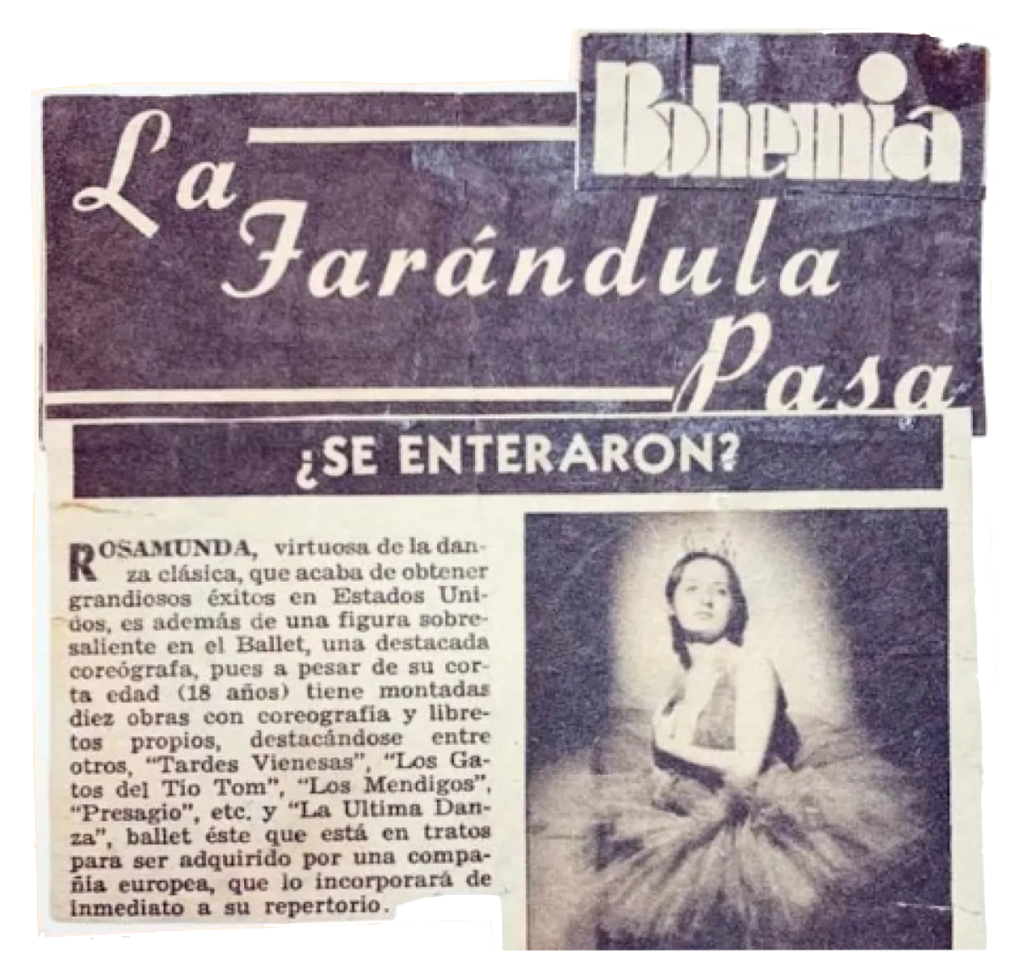
Learn more about the mysterious life of Marta Cinta Gonzalez Saldana